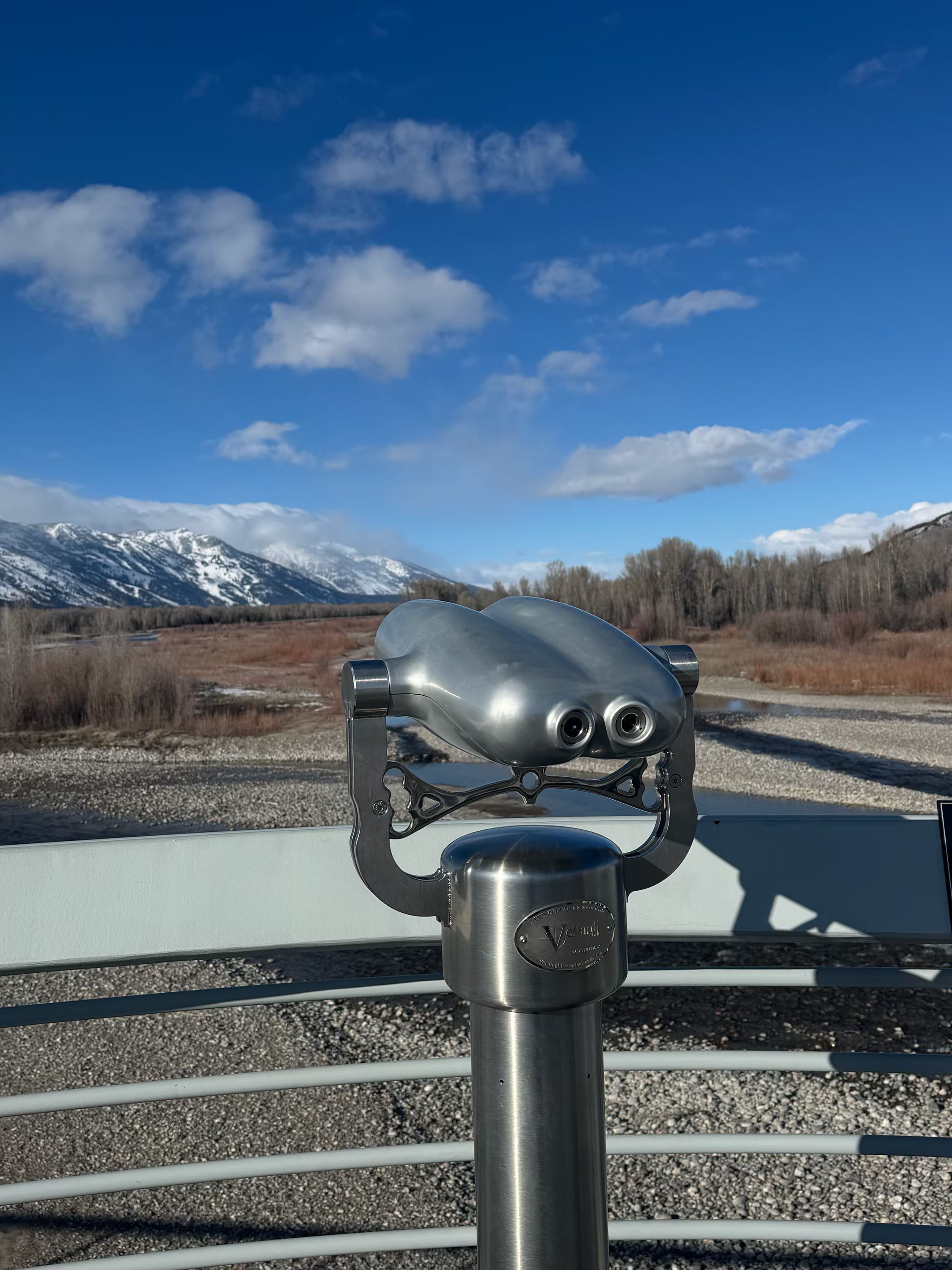
Author and Relational Leadership Coach, Aiko Bethea, tells us to look forward, look back and look around – to make the most of where we are going
If you want the best vantage point to see where you are headed in life, consider Aiko Bethea’s scenic lookout point. Look forward to what you most want your life and relationships to look and feel like. Then look back to assess how you got where you are today in your life and those important relationships. Lastly, look around. What choices and impact are you having today on your life and relationships? Are your actions and daily impact pointing you in the right direction?
Aiko Bethea has a rare gift for shifting us fast into what would benefit us the most. She can reframe a situation faster than a skilled carpenter. She can offer an expansive, updated definition for an old term that literally turns the concept inside and out and supersizes its potential.
And this is the magic that she offers when it comes to taking stock of our lives.
Instead of simply looking back and pining for what we do not have now, we should begin by looking forward and imagining what it is we want most. How do we want our lives and relationships to look, feel and be working?
Imagine you are looking out at the distant horizon and seeing yourself living your best life. A smile may stretch across your face as you gaze at your future aspirational self moving with greater ease and more joy through the expansive landscape. Who is out there with you? How much have they grown and flourished too? What skills and tools that you were once so clumsy with now now showing up with dexterity?
We already know that without a lot of prodding, we do imagine our future self as having more time, more freedom, more fun, and great relationships. But we usually just take a passing glance at our future aspirational self. Aiko urges us to pull over and spend some quality time gazing out into that scenic vista.
Look forward. Get very clear on where you want to go and what you look and feel like when you are living your best life, the one you are working towards today.
This is a really good time to reach into your backpack and pull out Emily Fleck’s book, What We Value. The reality is that in the hustle and bustle of our present daily life, we are often making short term calculations that don’t move the needle. Those short term calculations ease immediate discomfort and friction, but we stay stuck as a direct result.
James Clear, author of Atomic Habits, reminds us that we have to cast votes daily and consistently for our future self if we want to make real forward progress.
Aiko pulls on threads from both of these books and teachings to remind us that when we are gazing forward into the future we are marching toward, it is essential to remind ourselves of where we are going and why. What matters most to you — and are you making good decisions each and every day that get you closer to that goal? What is the impact of your choices, interactions and baby steps today?
Look forward and see quite clearly what you envision for your aspirational self. Where will you most appreciate the better decisions you make today and tomorrow? This will underscore the importance of making those longer term calculations a part of your current daily life decision making.
The next part of the process is to look back. Look back and see how far you’ve come. Whether you did it by design or default, you have definitely come a long way. Life carries us along much like a river. We can sink, swim, fight it and try to go upstream, or ride the currents and see where we end up. Like it or not, here we are.
How did you get here? Who and what helped you? What worked, what didn’t? When did you course correct?
Aiko reminds us that looking back is a fascinating part of the self-discovery process. It is only with some hindsight that we can see more clearly how we have been shaped by life, by other people and our experiences. We can map out the trailheads we explored, the pivot points that stopped us in our tracks and had us reassessing in a meaningful way. We can see where we created chasms in our relationships, get snagged on jagged edges, gave up too soon (when we much closer than we realized).
Looking back is not intended to saddle us with regret and remorse, but rather to reveal to us how we can do better. Some self compassion should be applied liberally to remind us that we were doing the best we could with the information we had at hand and the resources we had at our disposal. When we know better, we can do better. That’s the foothold and the clear observation we gain from looking back.
The third step is to look around. Take a few deep cleansing breaths and long exhales. Feel your feet firmly on the ground and imagine roots growing into the ground underneath you. Now do a full 360 and look all around.
You can’t go back and change your past. You can learn from it.
You aren’t in the future — yet. But you are making investments in it by how you show up and what you decide today. Make better choices by assessing the longer term benefits of doing so. Begin to stay with discomfort and friction as a part of your daily practice so that those value calculations you make in the heat of the moment yield the future results you want most.
Spend a little time with an older mentor or coach. Ask them what they have experienced and learned from looking back over their lives. What has hindsight revealed to them? Listen to their rich stories of a pivot point that changed their lives in meaningful ways. What do they see when they gaze out at their future now, from this vantage point of so many decades under their belt?
Sometime in the next week or so, pull over at that scenic vista that is your own life. Look forward – into the horizon where your aspirational self is making the most of all that you’ve been planting. Then look back – and see how far you’ve come – and what you learned along the way. Lastly, look around and realize that you have the power and the tools to be proactive, intentional and visionary. Build the life you most want.
Noteworthy Resources: