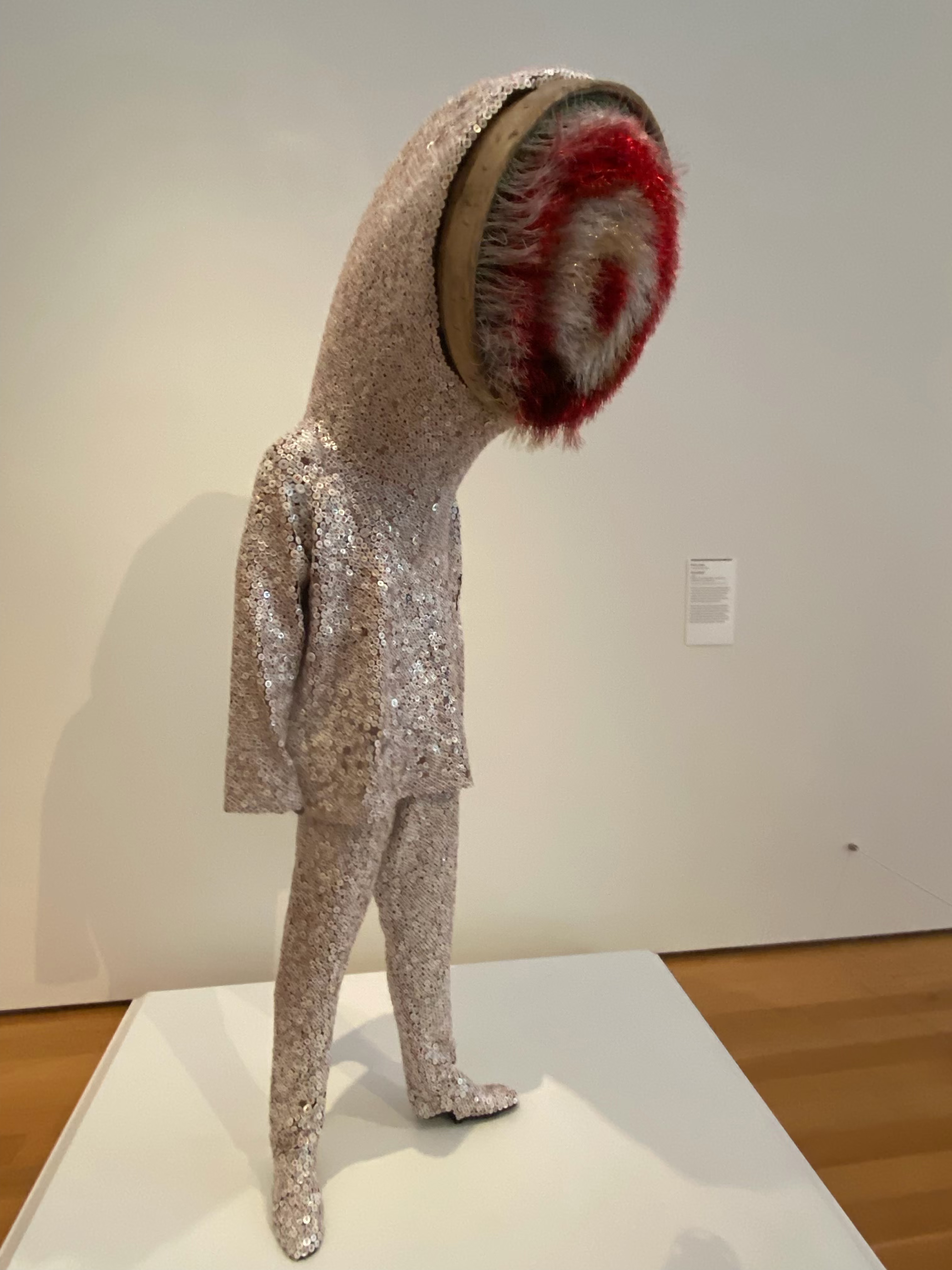
Adam Grant reveals that we can change the vibe and shift the energy to bring out the best in each other
I’ve spent more than two decades trying to stop being a shape-shifter. So imagine my surprise to discover that organizational psychologist, Adam Grant, was using that terminology in such a positive reframe. Wait! What?
It’s reverse engineering that Adam wants us to embrace. After all, we are pretty fluid when it comes to shape-shifting so that we can fit in, become invisible, or not rock the boat. We already know rather intuitively how easy it is to shape-shift. But what if we added a heaping dose of awareness and used our ability to change the energy in the room. Or to shift the vibe between us to a positive one.
In his book, VIBE, Adam reframes shape-shifting as a superpower. He’s right of course. We know almost immediately when we have pushed someone’s buttons, triggered them emotionally or shut them down.
But our natural defensive mechanism is to solve for our immediate discomfort when we realize what we’ve done. So we shape-shift. We go through some pretty acrobatic psychological gymnastics to get back into the “green zone” with friends and family members. We ourselves shape-shift. We rely on old behavioral patterns or defense mechanisms. We make it all about us.
Adam says we can turn what often becomes a weakness into a strength. Instead of changing who you are — or who your friend is — shift the energy. He invites us to practice the transformational “If, then” strategy.
If you’ve triggered someone emotionally, then you can own and validate that reality. Instead of walking on eggshells, apologizing profusely or putting some cognitive distance between you and that person — you can shape-shift.
“Hey, I realize that what I just said was insensitive and landed pretty hard on you. I care about you. May I have a do-over? I’d like to work this out with you without causing you valid emotional discomfort.”
This healthy shape-shifting skill validates the reality that we unintentionally derail and hurt each other. It’s inevitable that we will do this from time to time in our relationships. After all, some days we are well-resourced and far less sensitive to our emotional triggers. Other days, our hot buttons are right out there in plain sight.

Adam offers this illuminating insight: Understanding each other’s triggers is so helpful in our relationships. Instead of blaming unpleasant behavior on character, we recognize that there is an “if, then” relationship dynamic at play. “It’s not you. It’s not me. That version of you is a response to this side of me.”
This big change in your thinking takes a little time to wrap your head around. But it is time well spent.
Be honest – you know the emotional triggers of your family members and closest friends. You may even know the root causes of these triggers, because in moments when you weren’t dealing with life, you took the time to understand why that person feels so strongly about some things.
We just tend to forget about personal preferences and deeply rooted emotional triggers in the course of a normal, busy day.
Imagine having a game plan for handling emotional triggers and strong personal preferences. This is the shape-shifting of a relationship dynamic that is healthy, kind and helpful. It is the “If, Then” strategy.
If I push your hot button, I will own it. I will validate your feelings and I will make amends. Instead of getting caught up in the Brillo pad energy that keeps us bristling at each other, I will use a softer, gentler and more compassionate approach.
I like to put Charles Duhigg’s super communicator advice to work here. I remind myself to “loop for understanding”. The mental imagery of a Brillo pad helps me remember that doubling down on what isn’t working is only being more abrasive. My goal is to problem solve in a way that doesn’t cause a standoff or inflict more pain.
I also remember Dr. Ellen Langer’s sage advice that the new mindfulness is being very aware of variability. I see this in myself. Some days, I am Teflon and others I am Velcro.
Rarely do I stop in the heat of a moment to ask why I am so easily triggered today, but quite often in review, I notice that I was feeling ultra vulnerable. It could be something so unrelated to whatever is cropping up. Maybe my knee hurts and so physically I feel vulnerable. Maybe a wave of grief about a loved one who has died is tugging at my heart. Perhaps I feel unappreciated or taken for granted. On days like that, I am Velcro and much more emotionally sensitive.
Other days, I am feeling on cloud nine. I am ready to take on the day and almost willing challenges to come for me. I want to test my mettle because I feel unstoppable.
How in the world would my family members or friends know what part of me might be showing up today, in the present moment?
Once you get a little more practice under your belt with this new multi-tool of “If, Then” when you apply it to the people you love – and purposefully shift the energy so you can work things out, you will notice something else has happened rather organically. You start to use the magic on yourself.
If I get triggered, then I will do a little self-check-in and look for reasons why I might be feeling more vulnerable today.
When I am able to stop and assess why I am less resilient or lack the capacity to handle small disagreements on any given day, I learn so much about myself and my unaddressed needs. What I am discovering is that when I take care of my needs, I can bounce back faster.
Let’s face it — we all are pretty adept at shape-shifting. But the reality is that the focus is always on ourselves. Adam wants us to turn our attention to others and own our part in how we impact others. Have we pushed a hot button, triggered an emotion that deserves some TLC, or just been a little too self-centered to see the bigger picture?
Let’s repurpose our agility with shape-shifting. Let’s change the vibe and upgrade the energy in our relationship dynamics!

Noteworthy Resources:

The Psychology of Shape-Shifting
You will be amazed when you read Adam’s real life story about a public dust up he had with Brene Brown in 2016 that took 4 years to be resolved. If you want a case study to learn from, then Chapter 3 is for YOU!