I am a huge fan of “growth mindsets” and love how we can overlay a growth mindset template on the goals we have to make working toward them fun and invigorating.
Whenever I find myself really struggling with something that I truly want to learn, I take a step back and ask myself: “Are you in the right frame of mind?”
If I believe that I don’t really have a natural talent for drawing, I set myself up to make learning how to draw a bird harder than it has to be. If, on the other hand, I remind myself that I love to learn, that I am not good at drawing a bird YET, I shift my frame of mind to one that knows that effort and hard work produce some pretty remarkable results. I have fun with the process of learning and discovering. I get so lost in the process that I don’t attach so much pressure on the final outcome.
Imagine my surprise this morning, when I was reading Dr. Marc Brackett’s book, Dealing with Feeling, and he unpacked how a growth mindset can be remarkably beneficial for working with our emotions.
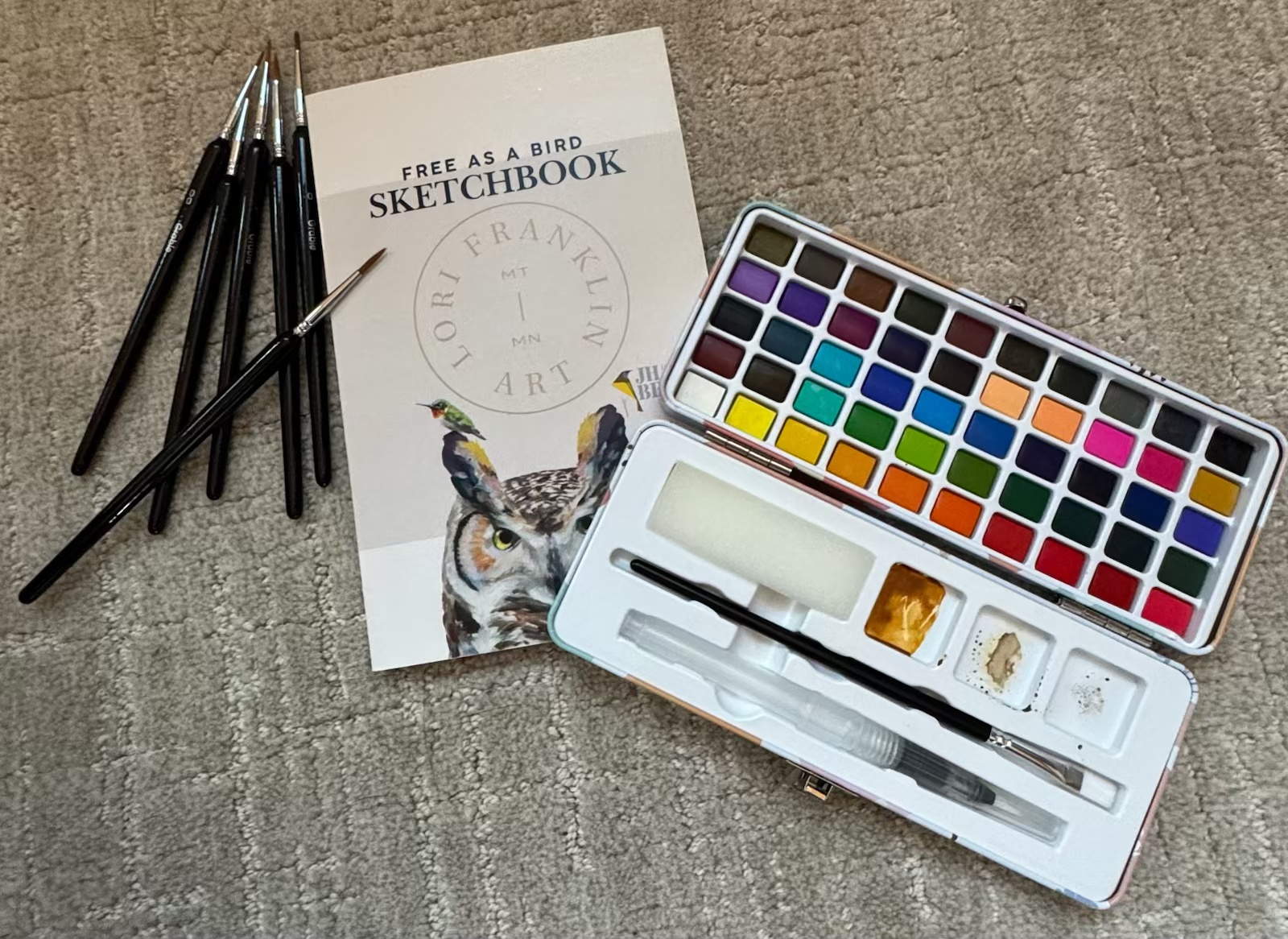
Might it be possible to find as much fun in playing around with emotions as we have with a paintbox, brushes, pencils and sketchbooks when we learn to create birds or turkeys? (My grandkids and I are crafting placemats for Thanksgiving dinner, so I thought about just how diverse they are all turning out and how much joy we are experiencing in the process.)
I think most of us grew up with a fixed mindset when it came to our emotions. Our parents and caregivers reminded us constantly of our predictable, emotional reactions and patterns. “You are too sensitive.” “You shouldn’t feel that way”. “You always overreact”.
Dr. Brackett shares in his book that most of us feel like our emotions are a force of nature, like a hurricane so we come to believe we are victims of our feelings. We have a fixed mindset that tells us we can’t control them, we are at their mercy. With a fixed emotional mindset, we believe we are either pretty good at handling our emotions or we are not – forever and ever.
We might say “it’s just the way I am. I’ll never change,” while completing missing the obvious fact that we are much more emotionally malleable than we give ourselves credit for. After all, how many times during the course of a day do you actually show up emotionally agile without a lot of effort or self-awareness? Do you manage to keep it together at work for 8 hours? Are you able to stay chill behind the steering wheel on a long road trip with a carful of restless kids? How is that some people with demanding jobs show up grounded, confident and lead with aplomb – only to turn into a dis-regulated eight year old when they walk through their front door?
We rely on our emotional flexibility more than we realize. We are doing it unconsciously and letting our environment be the guardrails that help us.
Let’s use a metaphor to help us put this in perspective. It’s like painting a bird in a coloring book. The framework is already there — all we are doing is staying in the lines. When we learn to draw, paint, blend and shade a bird free-hand, that is when we have optimal freedom.
A fixed emotional mindset is a bit like having a child’s coloring book tucked under our arm, believing that we will never be more artistic or creative than what’s on those pages with big bold outlines. We tend to “paint” with only broad brush strokes.
A growth emotional mindset is more like having assorted blank sketchpads, crayons and paintboxes, pencils and paintbrushes and limited ways to express ourselves. We are much more curious, creative and fluid. We look for nuance, texture, shading and fine details.
No one has ever taught us to think about our emotional mindset in such a dynamic and malleable way. And now that you can see this striking difference, it will be hard to keep yourself limited to a fixed emotional mindset.
When you begin to work with your emotions in the same way that you would play around and experiment with paints, crayons, colored pencils, brushes and erasers, you will be tapping into endless possibilities that come from a “growth emotional mindset.”
A playful suggestion: Why not add some art supplies to your journaling practice? Use colors, brushes and pencils to express your emotions and watch what happens when you lighten them, deepen them, blend them.


